
خيارات القراءة والتحميل
حمّل نسختك المعتمدة والنظيفة من الرواية بصيغة PDF لجميع الأجهزة
تحميل الكتاب مباشر (PDF)Future tech gadgets of 2026
بقلم: [email protected]
ملخص وموجز الرواية (Synopsis)
Future tech gadgets of 2026
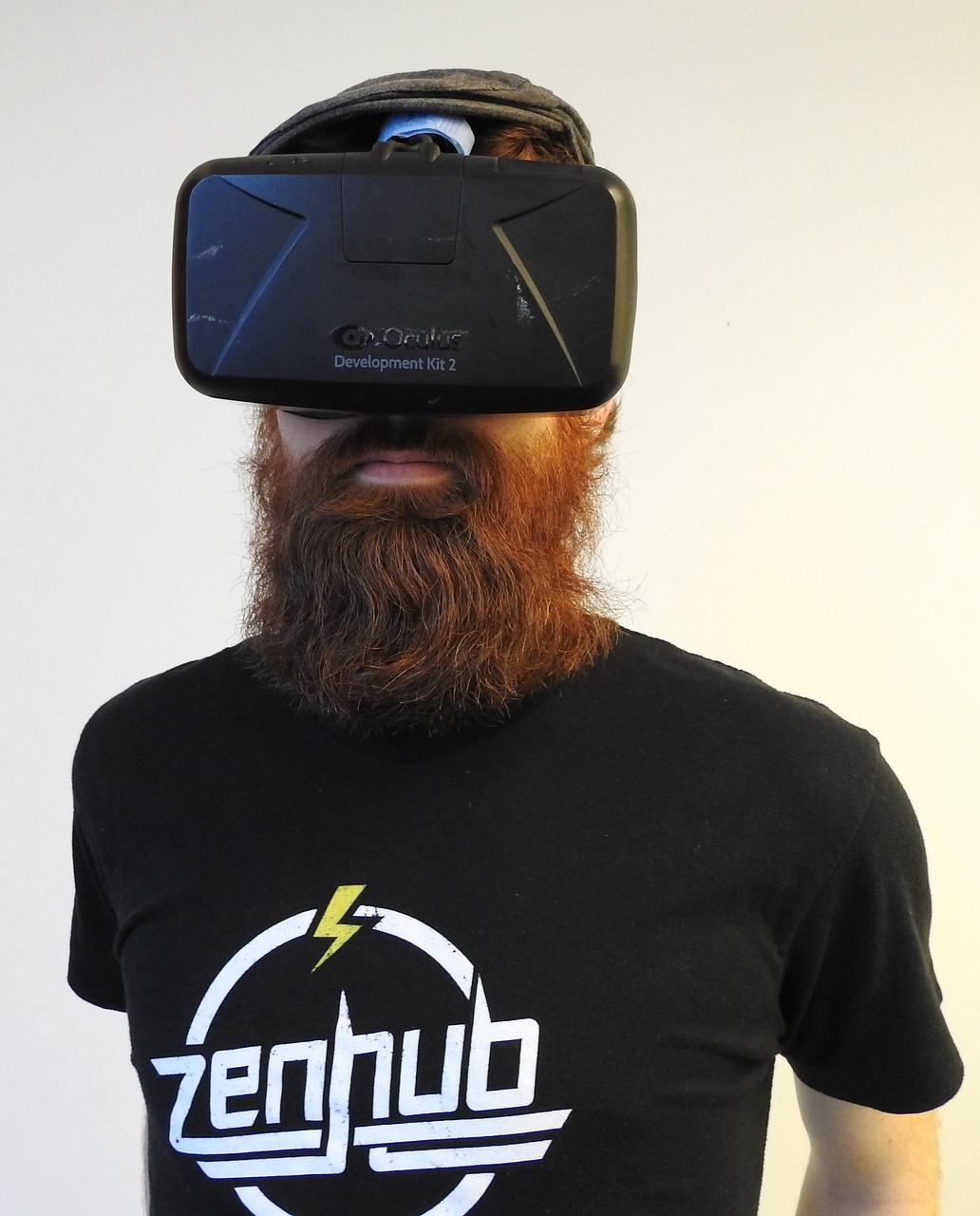
Future tech gadgets The artificial intelligence (AI) app market is undergoing a seismic shift. For professionals across various sectors, staying ahead of the curve requires a clear understanding of the tools available and their capabilities. 2024 has witnessed an explosion of innovative AI applications, promising to revolutionize workflows, boost productivity, and unlock new levels of insight. But with so many options emerging, navigating this landscape can feel overwhelming. This comprehensive article delves into the latest developments, provides a detailed comparison of leading AI Apps, analyzes their market impact, and offers a glimpse into the future of AI-powered tools for professionals in the USA.
Breaking Introduction: The Future Tech Gadgets is Here – Are You Ready?
It’s no longer a question of if AI will impact your work, but how. As part of the wave of Future tech gadgets transforming industries, AI-powered apps are redefining productivity at every level. From streamlining administrative tasks to providing deep analytical insights, these intelligent tools are rapidly becoming indispensable for professionals seeking a competitive edge. The advancements in natural language processing (NLP), machine learning (ML), and computer vision have fueled this growth, leading to a diverse ecosystem of apps tailored to specific professional needs. This isn’t just hype; the practical applications are demonstrating tangible improvements in efficiency and decision-making.
The momentum behind Future tech gadgets goes far beyond experimental innovation. The burgeoning AI app market isn’t confined to tech giants anymore. A wave of innovative startups is challenging established players with specialized, user-friendly solutions. This democratization of AI is empowering professionals of all levels to leverage its power, regardless of their technical expertise. Yet, discerning the right tool for the job remains a critical challenge. The sheer volume of options, coupled with varying levels of functionality and cost, demands a thorough evaluation.
Recent Developments: Key Trends Shaping the AI App Market in 2024
The past year has seen several significant developments in the AI app space, setting the stage for continued rapid innovation. Some of the key trends include:
1) Generative AI Dominance
Tools like OpenAI’s ChatGPT, Google DeepMind’s Gemini, and Microsoft Copilot have become increasingly sophisticated and deeply integrated into everyday workflows. Advanced text generators, image creators, and code assistants are no longer experimental—they’re mission-critical tools across marketing, software development, finance, and education.
2) Hyper-Personalization
AI apps are now capable of delivering highly customized experiences. From adaptive learning platforms to dynamic CRM systems, personalization engines powered by machine learning analyze user behavior in real time to tailor content, automate follow-ups, and improve engagement metrics.
3) No-Code/Low-Code AI Platforms
Democratizing AI development, no-code and low-code platforms allow professionals with limited programming experience to build and deploy AI-powered solutions. Platforms such as Airtable and Zapier are increasingly embedding AI features, enabling automation, prediction models, and workflow intelligence without traditional coding barriers.
4) Integration with Existing Productivity Ecosystems
Seamless integration is now a top priority. AI capabilities are being embedded directly into widely used productivity suites like Microsoft 365 and Google Workspace, as well as major CRM and project management platforms. This reduces friction and accelerates enterprise adoption.
5) Focus on Ethical & Responsible AI
Growing awareness of bias, transparency, and compliance requirements is driving the development of more responsible AI systems. Companies are investing in explainability tools, stronger governance frameworks, and fairness audits to ensure sustainable AI deployment.
Key Announcements & Product Launches
Several notable announcements have shaped the market in recent months:
-
Expansion of enterprise-grade AI copilots across productivity ecosystems.
-
New multimodal AI models capable of handling text, image, and audio inputs simultaneously.
-
Enhanced data privacy controls for enterprise AI deployments.
-
Increased investment in vertical-specific AI solutions (legal tech, health tech, fintech).
These developments collectively signal that AI apps are moving from experimental tools to foundational infrastructure in modern professional workflows.
- NovaMind’s Enhanced Analytics Suite: NovaMind recently unveiled an upgraded analytics suite featuring advanced predictive modeling capabilities, attracting significant interest from data analysts and business intelligence professionals.
- PromptFlow’s Enterprise Launch: PromptFlow, a popular platform for managing and optimizing AI prompts, officially launched its enterprise version, offering enhanced security features and collaboration tools.
- ClarityAI’s New Customer Support AI: ClarityAI announced a new AI-powered customer support platform designed to automate routine inquiries and provide instant assistance, leading to reported efficiency gains for businesses.
- VisioGen’s Real-time Diagramming AI: VisioGen introduced an AI feature that automatically generates and updates diagrams based on textual descriptions, a game-changer for technical documentation and design.
Timeline of Events: A Year in AI App Development
To better understand the pace of change, here’s a brief timeline of significant events in the AI app market over the past year:
- January – March: Continued growth in generative AI tools, with significant improvements in language models.
- April – June: Increased focus on AI integration within existing productivity software.
- July – September: Rise of no-code/low-code AI platforms, empowering citizen developers.
- October – December: Emphasis on ethical AI and responsible development practices.
- January 2024 – Present: Rapid advancements in multimodal AI (combining text, image, and audio processing) and personalized AI experiences.
Expert Commentary: Perspectives from Industry Leaders
“The AI app market is reaching a critical inflection point,” says Dr. Evelyn Reed, Chief AI Strategist at Future Forward Consulting. “We’re moving beyond experimental tools and into a phase of practical application and widespread adoption. Professionals who embrace these technologies will gain a significant advantage.”
Mark Olsen, CEO of Innovate Solutions, a leading AI software provider, adds, “The key is to identify specific pain points within your workflow and then select AI apps that directly address those challenges. Don’t chase every shiny new tool; focus on solutions that deliver tangible results.”
Market Impact: How AI Apps Are Reshaping Professional Work
The impact of AI apps on the professional landscape is already substantial—and accelerating. As organizations integrate intelligent systems into daily operations, workflows are becoming faster, smarter, and more data-driven. Here are the key areas where AI is making a measurable difference:
1) Increased Productivity
AI apps automate repetitive and time-consuming tasks such as data entry, scheduling, reporting, and content drafting. By reducing manual workload, professionals can redirect their energy toward strategic thinking, creativity, and innovation.
2) Enhanced Decision-Making
AI-powered analytics platforms process massive datasets in real time, identifying patterns and forecasting trends that humans might miss. Tools embedded within platforms like Salesforce and Microsoft Power BI enable leaders to make faster, data-driven decisions with greater confidence.
3) Improved Communication
AI-driven communication tools enhance clarity, tone, and personalization. Smart email assistants, chatbots, and automated customer support systems help organizations maintain consistent, responsive engagement with clients and internal teams alike.
4) Streamlined Workflows
Modern AI apps integrate directly into established ecosystems such as Slack and Asana, creating seamless automation between communication, project tracking, and reporting. This reduces friction, minimizes errors, and accelerates project timelines.
5) New Skill Requirements
As AI adoption grows, so does the demand for new competencies. Skills such as prompt engineering, AI oversight, automation design, and model interpretation are becoming valuable across industries. Professionals who understand how to collaborate effectively with AI systems gain a clear competitive advantage.
According to a recent report by Global AI Research, businesses utilizing AI apps have seen an average productivity increase of 20% in the past year. This improvement translates into measurable cost savings, faster project delivery, and stronger revenue growth. Adoption rates are particularly high in marketing, finance, and customer service—sectors where speed, personalization, and data accuracy directly impact performance outcomes.
The broader trend is clear: AI apps are no longer optional enhancements—they are becoming foundational infrastructure for modern professional success.
Statistics: The Growing Adoption of AI Apps

AI App Market Landscape: Key Figures & Momentum
Here’s a snapshot of the current AI app market landscape:
-
The global AI market is projected to reach $400 billion by 2028 (Source: Statista).
-
The AI app market is growing at a CAGR of over 30% (Source: MarketsandMarkets).
-
Nearly 60% of professionals are already using at least one AI app in their daily work (Source: AI Trends Report).
-
The most popular AI app categories include language models, image generators, and automation tools.
These figures highlight not just rapid expansion, but structural transformation. AI apps are moving beyond experimentation into core business operations, influencing everything from internal workflows to customer engagement strategies.
Public Reactions & Industry Sentiment
Public reaction to the rise of AI apps is mixed—but largely optimistic.
🔹 Optimism & Opportunity
Many professionals view AI as a productivity multiplier rather than a replacement. The ability to automate routine work, generate insights instantly, and enhance creativity has created strong enthusiasm across industries.
🔹 Concerns & Caution
At the same time, concerns remain around:
-
Job displacement and workforce restructuring
-
Data privacy and compliance
-
Bias, transparency, and responsible AI governance
Despite these concerns, industry analysts widely predict that AI apps will become even more embedded in professional life over the next few years, functioning as collaborative digital assistants rather than standalone tools.
Online forums, LinkedIn communities, and professional networks are buzzing with discussions about implementation strategies and ROI. A growing global community of professionals is actively sharing prompts, automation workflows, integration tips, and real-world case studies—accelerating adoption even further.
The consensus across sectors is clear: AI apps are no longer a passing trend—they represent a long-term shift in how modern work gets done.
Future Outlook: What’s Next for AI Apps in 2024 and Beyond?
The future of AI apps is incredibly promising. We can expect to see even greater advancements in areas like:
- Multimodal AI: Apps that seamlessly integrate and process multiple types of data (text, image, audio, video).
- Explainable AI (XAI): AI systems that can explain their reasoning and decision-making processes.
- AI-Powered Automation: More sophisticated automation tools that can handle complex tasks and workflows.
- Personalized AI Assistants: AI assistants that are tailored to individual professional needs and preferences.
- Edge AI: Processing AI models directly on devices, improving speed and privacy.
“The next phase of AI app development will be characterized by greater personalization, explainability, and integration,” predicts Dr. Reed. “AI will become less of a separate tool and more of an inherent part of our professional workflows.”
Table Comparison: Leading AI Writing Assistants
| Feature | ChatGPT (OpenAI) | Jasper.ai | Copy.ai |
|---|---|---|---|
| **Pricing (Starting)** | Free (limited), $20/month | $49/month | $49/month |
| **Key Features** | Versatile text generation, code assistance, conversation capabilities. | Specialized in marketing copy, SEO optimization, long-form content. | Focus on marketing content, website copy, social media posts. |
| **Pros** | Highly versatile, large user base, constantly improving. | Excellent for marketing teams, strong template library. | User-friendly interface, good for beginners. |
| **Cons** | Can sometimes generate inaccurate or irrelevant information. | Can be expensive for individual users. | Output can sometimes be generic. |
| **Best For** | General-purpose writing, coding assistance, brainstorming. | Marketing professionals, content creators, agencies. | Small businesses, startups, content marketers. |
Table Comparison: Leading AI-Powered Productivity Tools
| Feature | Otter.ai | Fireflies.ai | Descript |
|---|---|---|---|
| **Pricing (Starting)** | Free (limited), $10/month | Free (limited), $15/month | $12/month |
| **Key Features** | Real-time transcription, meeting notes, keyword search. | Meeting recording, transcription, and action item detection. | Audio and video editing, transcription, and AI-powered features. |
| **Pros** | Easy to use, accurate transcription, good for remote meetings. | Excellent for capturing actionable insights from meetings. | Powerful editing tools, AI-powered noise removal. |
| **Cons** | Free plan is limited. | Can be expensive for large teams. | Steeper learning curve for advanced editing features. |
| **Best For** | Individuals, students, remote teams. | Sales teams, customer service, project managers. | Podcasters, video editors, content creators. |

Additional useful information about Future tech gadgets.
Read also: AI video generator apps
Read also: rapid evolution of artificial intelligence
Read also: Play Store app of 2026
Read also: Gadget buying guide Complete Buying Guide
Read also: Top electronic devices
غرفة المعالجة وعداد قراءة الرواية
ابدأ القراءة الفورية الآن لرصد تقدم ساعتك والحصول على نقاط شرف
Future tech gadgets of 2026
Future tech gadgets of 2026
Future tech gadgets The artificial intelligence (AI) app market is undergoing a seismic shift. For professionals across various sectors, staying ahead of the curve requires a clear understanding of the tools available and their capabilities. 2024 has witnessed an explosion of innovative AI applications, promising to revolutionize workflows, boost productivity, and unlock new levels of insight. But with so many options emerging, navigating this landscape can feel overwhelming. This comprehensive article delves into the latest developments, provides a detailed comparison of leading AI Apps, analyzes their market impact, and offers a glimpse into the future of AI-powered tools for professionals in the USA.
Breaking Introduction: The Future Tech Gadgets is Here – Are You Ready?
It’s no longer a question of if AI will impact your work, but how. As part of the wave of Future tech gadgets transforming industries, AI-powered apps are redefining productivity at every level. From streamlining administrative tasks to providing deep analytical insights, these intelligent tools are rapidly becoming indispensable for professionals seeking a competitive edge. The advancements in natural language processing (NLP), machine learning (ML), and computer vision have fueled this growth, leading to a diverse ecosystem of apps tailored to specific professional needs. This isn't just hype; the practical applications are demonstrating tangible improvements in efficiency and decision-making.
The momentum behind Future tech gadgets goes far beyond experimental innovation. The burgeoning AI app market isn't confined to tech giants anymore. A wave of innovative startups is challenging established players with specialized, user-friendly solutions. This democratization of AI is empowering professionals of all levels to leverage its power, regardless of their technical expertise. Yet, discerning the right tool for the job remains a critical challenge. The sheer volume of options, coupled with varying levels of functionality and cost, demands a thorough evaluation.
Recent Developments: Key Trends Shaping the AI App Market in 2024
The past year has seen several significant developments in the AI app space, setting the stage for continued rapid innovation. Some of the key trends include:
1) Generative AI Dominance
Tools like OpenAI’s ChatGPT, Google DeepMind’s Gemini, and Microsoft Copilot have become increasingly sophisticated and deeply integrated into everyday workflows. Advanced text generators, image creators, and code assistants are no longer experimental—they’re mission-critical tools across marketing, software development, finance, and education.
2) Hyper-Personalization
AI apps are now capable of delivering highly customized experiences. From adaptive learning platforms to dynamic CRM systems, personalization engines powered by machine learning analyze user behavior in real time to tailor content, automate follow-ups, and improve engagement metrics.
3) No-Code/Low-Code AI Platforms
Democratizing AI development, no-code and low-code platforms allow professionals with limited programming experience to build and deploy AI-powered solutions. Platforms such as Airtable and Zapier are increasingly embedding AI features, enabling automation, prediction models, and workflow intelligence without traditional coding barriers.
4) Integration with Existing Productivity Ecosystems
Seamless integration is now a top priority. AI capabilities are being embedded directly into widely used productivity suites like Microsoft 365 and Google Workspace, as well as major CRM and project management platforms. This reduces friction and accelerates enterprise adoption.
5) Focus on Ethical & Responsible AI
Growing awareness of bias, transparency, and compliance requirements is driving the development of more responsible AI systems. Companies are investing in explainability tools, stronger governance frameworks, and fairness audits to ensure sustainable AI deployment.
Key Announcements & Product Launches
Several notable announcements have shaped the market in recent months:
-
Expansion of enterprise-grade AI copilots across productivity ecosystems.
-
New multimodal AI models capable of handling text, image, and audio inputs simultaneously.
-
Enhanced data privacy controls for enterprise AI deployments.
-
Increased investment in vertical-specific AI solutions (legal tech, health tech, fintech).
These developments collectively signal that AI apps are moving from experimental tools to foundational infrastructure in modern professional workflows.
- NovaMind's Enhanced Analytics Suite: NovaMind recently unveiled an upgraded analytics suite featuring advanced predictive modeling capabilities, attracting significant interest from data analysts and business intelligence professionals.
- PromptFlow's Enterprise Launch: PromptFlow, a popular platform for managing and optimizing AI prompts, officially launched its enterprise version, offering enhanced security features and collaboration tools.
- ClarityAI's New Customer Support AI: ClarityAI announced a new AI-powered customer support platform designed to automate routine inquiries and provide instant assistance, leading to reported efficiency gains for businesses.
- VisioGen's Real-time Diagramming AI: VisioGen introduced an AI feature that automatically generates and updates diagrams based on textual descriptions, a game-changer for technical documentation and design.
Timeline of Events: A Year in AI App Development
To better understand the pace of change, here's a brief timeline of significant events in the AI app market over the past year:- January - March: Continued growth in generative AI tools, with significant improvements in language models.
- April - June: Increased focus on AI integration within existing productivity software.
- July - September: Rise of no-code/low-code AI platforms, empowering citizen developers.
- October - December: Emphasis on ethical AI and responsible development practices.
- January 2024 - Present: Rapid advancements in multimodal AI (combining text, image, and audio processing) and personalized AI experiences.
Expert Commentary: Perspectives from Industry Leaders
"The AI app market is reaching a critical inflection point," says Dr. Evelyn Reed, Chief AI Strategist at Future Forward Consulting. "We're moving beyond experimental tools and into a phase of practical application and widespread adoption. Professionals who embrace these technologies will gain a significant advantage." Mark Olsen, CEO of Innovate Solutions, a leading AI software provider, adds, "The key is to identify specific pain points within your workflow and then select AI apps that directly address those challenges. Don't chase every shiny new tool; focus on solutions that deliver tangible results."Market Impact: How AI Apps Are Reshaping Professional Work
The impact of AI apps on the professional landscape is already substantial—and accelerating. As organizations integrate intelligent systems into daily operations, workflows are becoming faster, smarter, and more data-driven. Here are the key areas where AI is making a measurable difference:
1) Increased Productivity
AI apps automate repetitive and time-consuming tasks such as data entry, scheduling, reporting, and content drafting. By reducing manual workload, professionals can redirect their energy toward strategic thinking, creativity, and innovation.
2) Enhanced Decision-Making
AI-powered analytics platforms process massive datasets in real time, identifying patterns and forecasting trends that humans might miss. Tools embedded within platforms like Salesforce and Microsoft Power BI enable leaders to make faster, data-driven decisions with greater confidence.
3) Improved Communication
AI-driven communication tools enhance clarity, tone, and personalization. Smart email assistants, chatbots, and automated customer support systems help organizations maintain consistent, responsive engagement with clients and internal teams alike.
4) Streamlined Workflows
Modern AI apps integrate directly into established ecosystems such as Slack and Asana, creating seamless automation between communication, project tracking, and reporting. This reduces friction, minimizes errors, and accelerates project timelines.
5) New Skill Requirements
As AI adoption grows, so does the demand for new competencies. Skills such as prompt engineering, AI oversight, automation design, and model interpretation are becoming valuable across industries. Professionals who understand how to collaborate effectively with AI systems gain a clear competitive advantage.
According to a recent report by Global AI Research, businesses utilizing AI apps have seen an average productivity increase of 20% in the past year. This improvement translates into measurable cost savings, faster project delivery, and stronger revenue growth. Adoption rates are particularly high in marketing, finance, and customer service—sectors where speed, personalization, and data accuracy directly impact performance outcomes.
The broader trend is clear: AI apps are no longer optional enhancements—they are becoming foundational infrastructure for modern professional success.
Statistics: The Growing Adoption of AI Apps
AI App Market Landscape: Key Figures & Momentum
Here’s a snapshot of the current AI app market landscape:
-
The global AI market is projected to reach $400 billion by 2028 (Source: Statista).
-
The AI app market is growing at a CAGR of over 30% (Source: MarketsandMarkets).
-
Nearly 60% of professionals are already using at least one AI app in their daily work (Source: AI Trends Report).
-
The most popular AI app categories include language models, image generators, and automation tools.
These figures highlight not just rapid expansion, but structural transformation. AI apps are moving beyond experimentation into core business operations, influencing everything from internal workflows to customer engagement strategies.
Public Reactions & Industry Sentiment
Public reaction to the rise of AI apps is mixed—but largely optimistic.
🔹 Optimism & Opportunity
Many professionals view AI as a productivity multiplier rather than a replacement. The ability to automate routine work, generate insights instantly, and enhance creativity has created strong enthusiasm across industries.
🔹 Concerns & Caution
At the same time, concerns remain around:
-
Job displacement and workforce restructuring
-
Data privacy and compliance
-
Bias, transparency, and responsible AI governance
Despite these concerns, industry analysts widely predict that AI apps will become even more embedded in professional life over the next few years, functioning as collaborative digital assistants rather than standalone tools.
Online forums, LinkedIn communities, and professional networks are buzzing with discussions about implementation strategies and ROI. A growing global community of professionals is actively sharing prompts, automation workflows, integration tips, and real-world case studies—accelerating adoption even further.
The consensus across sectors is clear: AI apps are no longer a passing trend—they represent a long-term shift in how modern work gets done.
Future Outlook: What's Next for AI Apps in 2024 and Beyond?
The future of AI apps is incredibly promising. We can expect to see even greater advancements in areas like:- Multimodal AI: Apps that seamlessly integrate and process multiple types of data (text, image, audio, video).
- Explainable AI (XAI): AI systems that can explain their reasoning and decision-making processes.
- AI-Powered Automation: More sophisticated automation tools that can handle complex tasks and workflows.
- Personalized AI Assistants: AI assistants that are tailored to individual professional needs and preferences.
- Edge AI: Processing AI models directly on devices, improving speed and privacy.
Table Comparison: Leading AI Writing Assistants
| Feature | ChatGPT (OpenAI) | Jasper.ai | Copy.ai |
|---|---|---|---|
| **Pricing (Starting)** | Free (limited), $20/month | $49/month | $49/month |
| **Key Features** | Versatile text generation, code assistance, conversation capabilities. | Specialized in marketing copy, SEO optimization, long-form content. | Focus on marketing content, website copy, social media posts. |
| **Pros** | Highly versatile, large user base, constantly improving. | Excellent for marketing teams, strong template library. | User-friendly interface, good for beginners. |
| **Cons** | Can sometimes generate inaccurate or irrelevant information. | Can be expensive for individual users. | Output can sometimes be generic. |
| **Best For** | General-purpose writing, coding assistance, brainstorming. | Marketing professionals, content creators, agencies. | Small businesses, startups, content marketers. |
Table Comparison: Leading AI-Powered Productivity Tools
| Feature | Otter.ai | Fireflies.ai | Descript |
|---|---|---|---|
| **Pricing (Starting)** | Free (limited), $10/month | Free (limited), $15/month | $12/month |
| **Key Features** | Real-time transcription, meeting notes, keyword search. | Meeting recording, transcription, and action item detection. | Audio and video editing, transcription, and AI-powered features. |
| **Pros** | Easy to use, accurate transcription, good for remote meetings. | Excellent for capturing actionable insights from meetings. | Powerful editing tools, AI-powered noise removal. |
| **Cons** | Free plan is limited. | Can be expensive for large teams. | Steeper learning curve for advanced editing features. |
| **Best For** | Individuals, students, remote teams. | Sales teams, customer service, project managers. | Podcasters, video editors, content creators. |
Additional useful information about Future tech gadgets.
Read also: AI video generator apps
Read also: rapid evolution of artificial intelligence
Read also: Play Store app of 2026
Read also: Gadget buying guide Complete Buying Guide
Read also: Top electronic devices


الآراء والنقاشات المثرية (6)
آراء قراء ومحبي الروايات المسجلين في ملاذ أوزا
[…] past few months have seen a surge in AI app development across various sectors. The initial wave of generative AI tools has matured, giving way to more […]
[…] اقرأ أيضًا: Future tech gadgets of 2026 […]
[…] Read also: Future tech gadgets of 2026 […]
[…] Read also: Future tech gadgets of 2026 […]
[…] Read also: Future tech gadgets of 2026 […]
[…] Read also: Future tech gadgets of 2026 […]